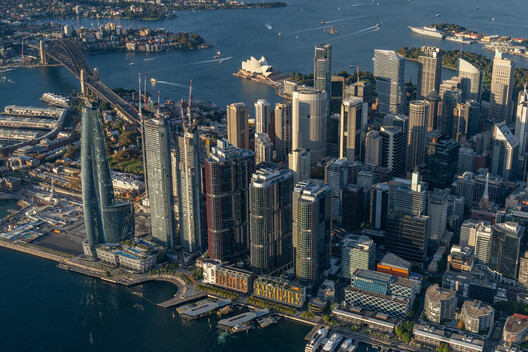
RSHP has announced the completion of the Barangaroo South Masterplan in Sydney, marking the realization of a 15-year redevelopment that has reconnected the city's north-western harbour edge to its urban core. Once a disused container port, the 22-hectare site has been transformed into a mixed-use, carbon-neutral precinct, integrating commercial, residential, and public spaces along the waterfront. Developed in collaboration with Lendlease following an international design competition, the masterplan is organized into three zones: Barangaroo South, a high-density extension of the Central Business District; Barangaroo Reserve, a reconstructed natural headland that reintroduces native landscapes to the harbour; and Barangaroo Central, a low-density residential area linking the northern and southern ends of the development.
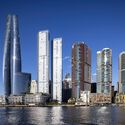
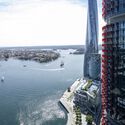
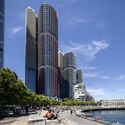
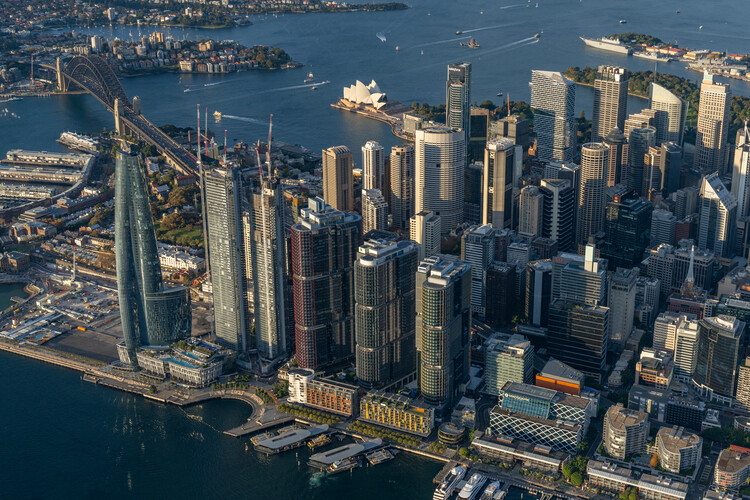

Anchored by the International Towers Sydney, completed in 2017, Barangaroo South has evolved into a vibrant new city quarter that blends business, leisure, and culture. The three office towers are arranged on a fan-shaped grid extending from Wynyard Station, opening towards the west to frame views of the harbour and create generous public spaces at street level. Over two-thirds of the land area has been dedicated to public and recreational use, including Wulugul Walk, a continuous waterfront promenade completed in 2021; Watermans Cove, an amphitheater-style boardwalk completed in 2025; and Hickson Park, a one-hectare green space completed in 2020 that offers a retreat for residents and visitors alike. New infrastructure, including the Sussex Street Bridge, opened in 2016; the Barangaroo Ferry Wharf, completed in 2017; and the Sydney Metro Barangaroo Station, inaugurated in 2024, enhances accessibility and strengthens the precinct's connection to the wider city network.
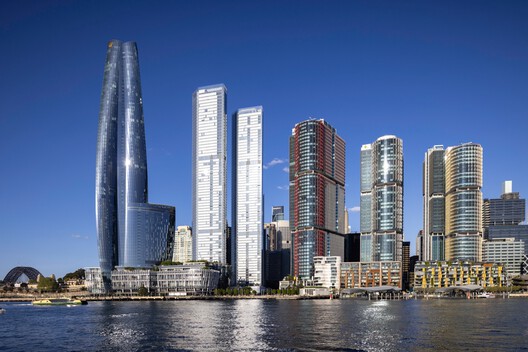
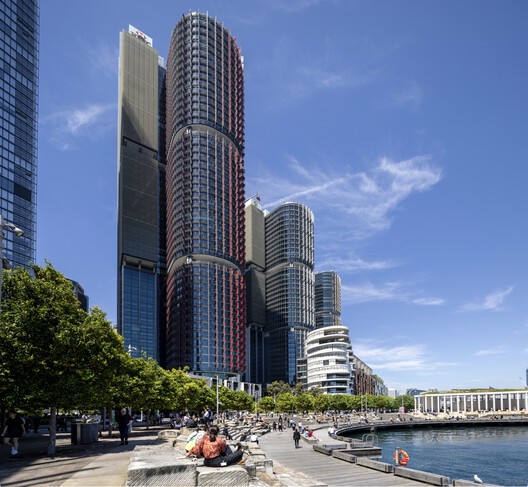
The redevelopment reimagines the shoreline as part of a 14-kilometer continuous waterfront path stretching from Anzac Bridge in the west to the Royal Botanic Gardens in the east. The design encourages direct interaction with the water, creating spaces for gathering, reflection, and engagement with Sydney's maritime identity.
Related Article
World’s Most Liveable Cities in 2025: Discover the Cities With the Top Quality of LifeThis project was about giving something back to the city — reconnecting people with the harbour and creating places that feel both civic and human. - Paul Thompson, Associate Director, RSHP
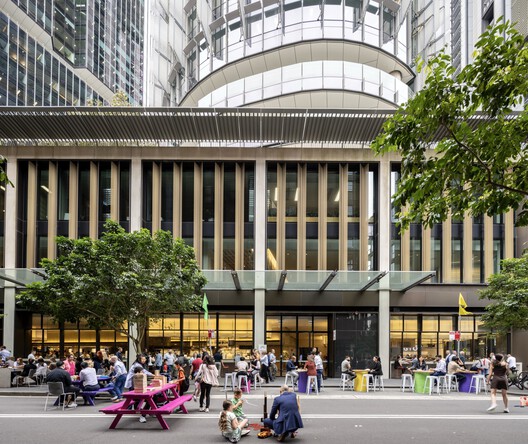
Recognized as part of the Clinton Climate Initiative's Climate Positive Development Program, Barangaroo stands as a model of climate-responsive urbanism. Barangaroo South became Australia's first carbon-neutral precinct in 2019, with all three International Towers achieving WELL Platinum Certification and 6 Star Green Star ratings from the Green Building Council of Australia. The project promotes sustainable mobility through walking, cycling, and public transport, forming part of a broader cultural and ecological network along Sydney Harbour.
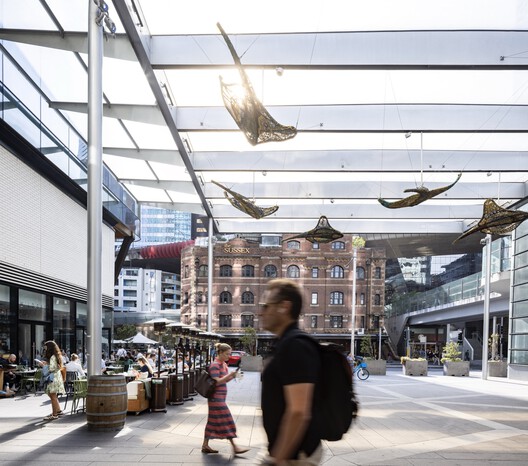
In other recent developments in Sydney, Woods Bagot has completed the Western Sydney International Airport, originally conceived through a collaboration between Zaha Hadid Architects and COX Architecture. Meanwhile, the New South Wales Independent Planning Commission has approved the public domain works for the Harbourside redevelopment, a major waterfront project designed by Snøhetta in collaboration with Hassell and Mirvac.